
Renting Vs. Buying Your First Home: Pros and Cons
Article by Andrew Phillips, Bighorn Rentals

Deciding between renting or buying your first home?
Buying a home is a major life decision. Under some circumstances, renting a home may seem like a more reasonable option.
But despite the higher entry costs, homeownership does have many long-term benefits.
In this article, we’ll explore the pros and cons of owning vs renting your first home. After reading this piece, you are equipped with more knowledge to make your decision.
The advantages of renting
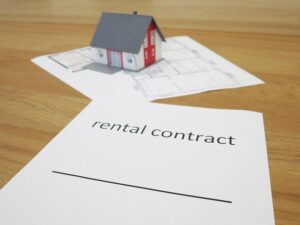
Easier relocation. Some people need to have freedom for relocations. Should you be one of them, the advantages of renting over buying are tangible. A relocation could cause major issues when you have just bought a home. Rental agreements may provide you with the needed flexibility.
In many cases, you might have to break a lease and pay the associated penalties. But as Bighorn Rentals points out, this is still a better option than dealing with the challenges of relocation while owning a home.
Good amenities. Many landlords offer rental spaces that come with extra amenities to differentiate from the competitors. As a renter, you won’t have to make the necessary investments yourself.
Fewer responsibilities. Tenants hold far less responsibility compared to owners. When you spot issues needing repairs or maintenance, you can just contact your landlord.
But this advantage doesn’t imply that you have no responsibilities at all. You are still fully accountable for any caused damage that is considered beyond normal wear and tear.
The disadvantages of renting

Relative instability. Homeownership is more stable compared to renting a property. You can never be certain that you can extend the rental agreement for the next period. For example, your landlord might decide to sell the rental unit.
Living in a jurisdiction without any rent control laws in place means that your landlord can raise your rent. The raise percentage may prove to be too much, which means that you have to start looking for a new rental.
Less freedom. Compared to homeownership, living in a rental property imposes far more restrictions on your choices. Many potential restrictions are depending on your lease agreement. Here are some of the more common ones:
- Limits on overnight guest stays
- Restriction on the number of occupants
- No waterbeds, bikes in the hallway, or other specific rules
- Pets are prohibited
- No home businesses allowed
Zero long-term benefits. There might be personal long-term benefits of renting a property, but you won’t be able to enjoy payoffs linked to homeownership. For example, renting means you won’t gain potential cash proceeds nor home equity.
While purchasing a home can be seen as an investment, renting a property definitely isn’t a financial investment. When you factor in the probable increase in rent over time, a fixed mortgage could incur lower expenses in the long run.
The advantages of buying
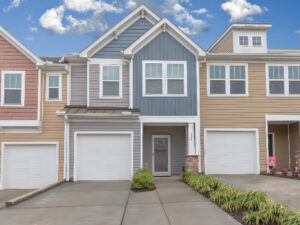
Tax benefits. Check your state and local laws for tax exemptions. Some areas exempt homesteads from property tax assessments. While there are thresholds in place, it still pays to see if you could benefit from this.
Federal tax deductions serve as another avenue for enjoying tax benefits. When you itemize the federal income taxes, it’s possible that you’ll find new ways to save money. The best course of action is getting tax consultations because there are many legal nuances that need expert attention.
Potential equity. Only homeowners are able to benefit from equity. You’ll never own equity as long as you only rent your home. But when you become an owner and your property’s value increases, you could fund shares or invest the equity in a managed fund.
Becoming an investor. Most homeowners have the potential of becoming investors. Things may change over time and you could see the need for renting out a part of your property. For example, this course of action could help you subsidize mortgage payments.
Another side of investing reflects the potential of your home’s location. Some places are ripe for starting a holiday rental on the side. Extreme seasonal demand could make even renting out a single bedroom into a lucrative business.
The disadvantages of buying

Financial risks. Homeownership always entails the risk of financial loss. You might have made the best decision on the day of signing a purchase agreement, but this doesn’t mean that the market situation won’t constantly change.
What happens when your home starts to lose value? There are two primary issues that you have to deal with:
- Selling your property is likely to lose you money-
- Not selling your property leads you to own a depreciating asset.
There are no easy solutions to owning a property that sees a decrease in its appraised value. It’s important to consider all the risks and benefits of the options available to you.
Obligations. As a homeowner, you have a lot of responsibilities. There isn’t a landlord available who would take care of routine maintenance or emergency repairs. You hold the full financial accountability of dealing with these tasks.
When you purchase a property, it’s important that you consider the responsibilities that follow the initial surge of excitement. You should have the financial means to deal with any problems that could even arise in the first few months of ownership.
Sizeable investment. Becoming a homeowner involves a relatively high financial threshold. The initial investment may negatively impact your financial stability.
The bottom line: Renting Vs. Buying Your First Home

Should you rent or buy your first home? Many people face the same dilemma. Both options have their respective advantages and disadvantages.
Buying your first home enables you to benefit from the investment potential while giving you plenty of freedom. However, you have to deal with a lot of responsibilities and there are financial risks involved as well.
As a renter, you have far fewer responsibilities and you are able to enjoy the relative flexibility offered by a lease agreement. But you’ll have nothing to gain in terms of investing. And you can never be sure that your landlord agrees to extend your lease agreement for another year.